
Technology · Developing story
Google thinks SpaceX’s Starship has to launch 1,800 times before space data centers get off the ground
Part of NewsAgo’s AI & Technology coverage.
NewsAgo briefing
The clear picture
What happened
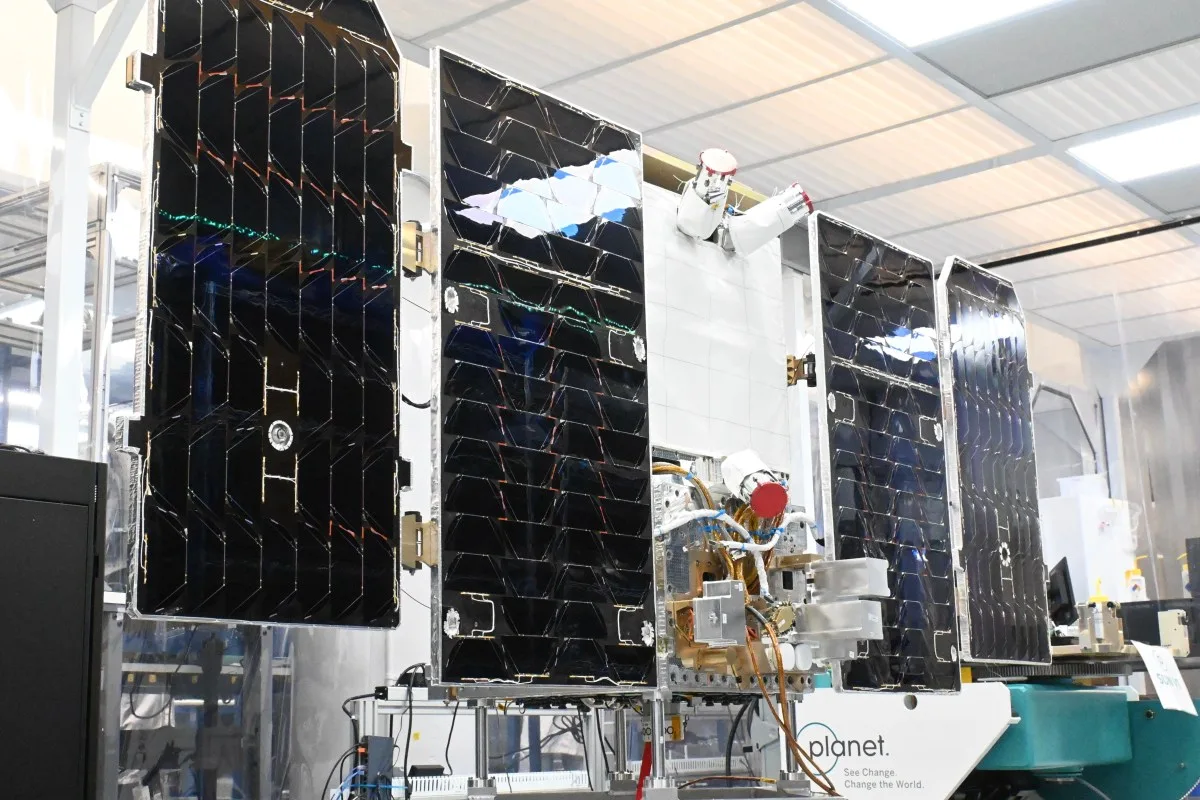
Google has launched an advanced chip into orbit, according to TechCrunch. NPR identifies the fridge-size satellite carrying AI chips as part of Project Suncatcher, Google’s effort to pursue AI data centers in space using solar energy.
Latest development
Google launched its first advanced chip into orbit to pave the way for space data centers.
Why it matters
The orbital chip deployment moves Project Suncatcher from a stated moonshot effort to an in-orbit hardware test, but neither TechCrunch nor NPR reports an operational space data center.
Known / unclear
Coverage expanded from 1 to 2 attributed publishers.
What launch scale would Google require before Project Suncatcher could support space-based data centers?
NewsAgo wrote this briefing with an AI language model, using only the attributed reports listed below. Automated checks require every point to cite one of those reports and reject generic or unsupported text. How we use AI
Sources
Compiled from 2 independent publishers TechCrunch · NPR
TechCrunch’s title gives a threshold of 1,800 SpaceX Starship launches; NPR provides no launch-count estimate.
Bottom line
Google has placed Project Suncatcher hardware in orbit, but the reported launch-scale requirement remains internally inconsistent and the program’s operational feasibility is unestablished.
Explore timelines and source history
Developing story: This developing story groups reporting from 2 publishers. The timeline shows how the coverage has changed.
What the coverage shows
Two publishers are reporting this development. NewsAgo groups their coverage while preserving both original links for comparison.
Compare the publisher timeline ↓Story evolution
- Headline updated
Google launched its first advanced chip into orbit to pave the way for space data centers.
2 sources at this update - First reported
The fridge-size satellite with AI chips on board is part of Project Suncatcher, the company's moonshot effort to put AI data centers in space and harness solar energy.
1 source at this update